Thinking about selling your Westport Colonial? In a market where buyers can compare beautiful homes side by side, presentation can shape how quickly your home sells and how strong your offers look. The good news is that staging does not have to mean stripping away your home’s charm. With the right plan, you can highlight the classic features buyers already love and make your home feel polished, spacious, and move-in ready. Let’s dive in.
Why staging matters in Westport
Westport is a high-value housing market, and buyers here often have high expectations. According to Census QuickFacts for Westport, the town has an 88.8% owner-occupied housing rate and a 2020-2024 median owner-occupied value of $1,405,200. Realtor.com's February 2026 snapshot also showed a median home sale price of $2.90M and 47 median days on market.
That matters because in a market at this price point, buyers are not just looking at square footage or location. They are comparing presentation, condition, and how well a home photographs online. Staging supports all three.
The National Association of Realtors 2025 Profile of Home Staging found that 83% of buyers' agents said staging made it easier for buyers to visualize a property as their future home. The same report found that 49% of sellers' agents said staging reduced time on market, and 29% said it increased the dollar value offered by 1% to 10%.
Focus on Colonial features
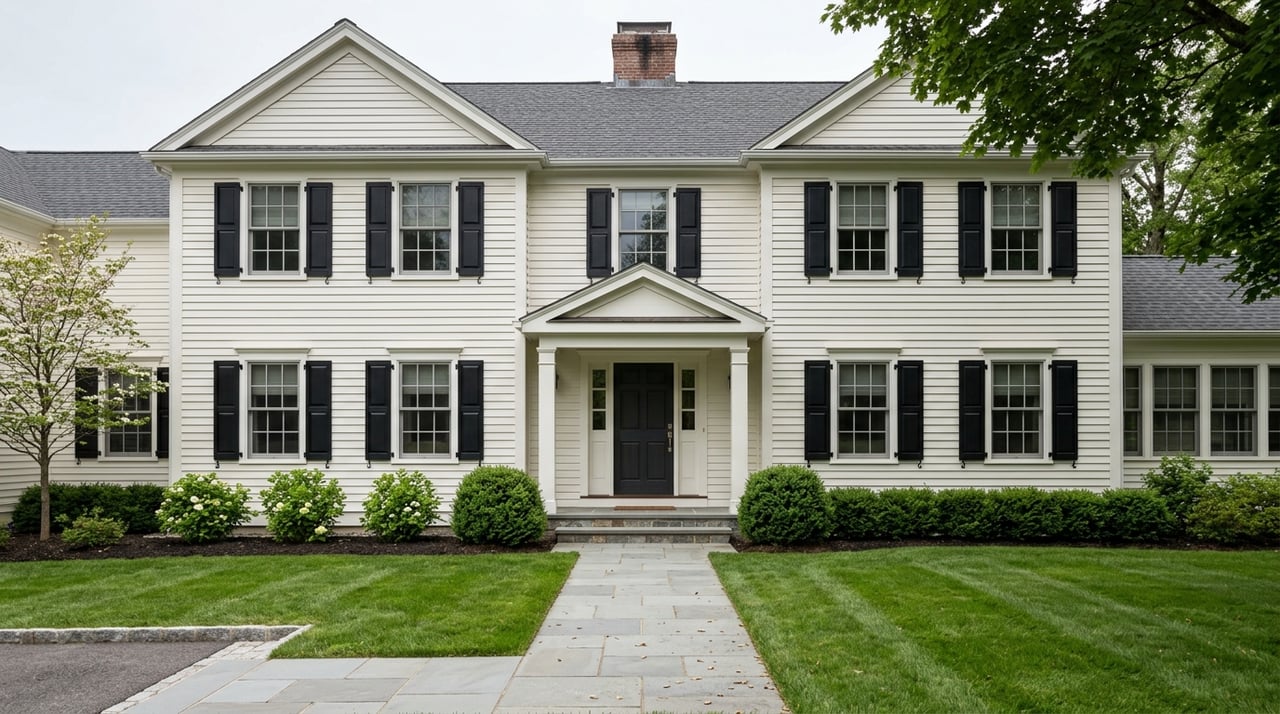
A Westport Colonial often stands out because of its classic New England structure. According to Westport's local history information, colonial homesteads and Colonial Revival design are an important part of the town's architectural fabric. Historic New England also describes Georgian and Colonial homes as symmetrical, two-story designs with a centered entry, aligned windows, and a central hall.
That architectural balance should guide your staging choices. You want buyers to notice the shape and flow of the home, not feel distracted by crowded furniture, personal items, or visual clutter.
Keep symmetry visible
One of the easiest ways to stage a Colonial well is to make its symmetry readable. Clear the front-door sightline, keep the central hallway open, and avoid furniture that blocks natural movement from room to room.
Balanced styling also helps. Matching lamps, evenly spaced seating, and simple accessory groupings can support the home's structure without feeling forced.
Let the entry work hard
In many Colonials, the foyer sets the tone. If the staircase, center hall, or front entry feels open and bright, buyers get an immediate sense of order and scale.
Keep the entry simple. A clean console, a mirror, or a modest rug may be enough, but too many pieces can make the space feel smaller than it is.
Scale formal rooms correctly
Colonials often include formal living and dining rooms, and these spaces should feel functional, not overfilled. Buyers should be able to picture conversation, hosting, or everyday use without feeling like the room is packed wall to wall.
If a room has too much furniture, remove pieces before listing. In most cases, fewer, well-placed items make the room look larger and more elegant.
Stage the rooms buyers notice most
NAR's staging report found that the rooms sellers most often stage are the living room, primary bedroom, dining room, and kitchen. For a Westport Colonial, these rooms tend to carry a lot of visual weight because they reflect both the home's traditional layout and its daily livability.
Living room
The living room should feel comfortable, bright, and easy to understand. Arrange seating to create conversation, keep pathways open, and remove excess décor that competes with windows, trim, or fireplaces.
A neutral palette often works best because it lets buyers focus on the room itself. The goal is not to make the room look empty. The goal is to make it feel calm and usable.
Primary bedroom
The primary bedroom should read as restful and spacious. Use simple bedding, reduce personal items, and keep surfaces mostly clear.
If the room is large, define the space with appropriately scaled furniture. If it is smaller, avoid oversized pieces that make circulation feel tight.
Dining room
A Colonial dining room can be a strong selling feature when it feels proportionate and polished. Make sure the table size fits the room and allows people to move around it easily.
A simple centerpiece and good lighting are usually enough. Heavy drapes, too many chairs, or bulky cabinets can make the room feel formal in a way that turns buyers away.
Kitchen
The kitchen should look clean, edited, and ready for everyday life. Clear counters as much as possible, store away small appliances, and remove magnets, notes, and visual clutter.
NAR defines staging as cleaning, decluttering, repairing, depersonalizing, and updating the home so buyers can picture themselves living there. In the kitchen, that definition is especially important.
Do not wait until after photos
A common mistake is treating staging as something you finish after the media shoot is booked. That is backwards.
NAR reports that buyers' agents rated photos as important to the home search process at 73%, followed by physical staging at 57%, videos at 48%, and virtual tours at 43%. If your home is going to make a strong first impression online, it needs to be fully staged before photography and videography begin.
This is especially true in Westport, where many buyers start with online search and quickly compare homes in the same price range. Your listing photos should show clear rooms, balanced layouts, and a polished overall story from the first image to the last.
Make curb appeal part of staging
In Westport, the exterior is not just a first impression. It is part of the lifestyle story. The town's official beaches page highlights Westport's miles of coastline on Long Island Sound and its three town beaches, including Compo Beach, a 29-acre park with a beach, boardwalk, pavilion, concession stand, and marina.
That coastal setting makes outdoor living more important to buyers. It also means your front yard, porch, patio, or deck should feel intentional and usable.
Refresh the approach
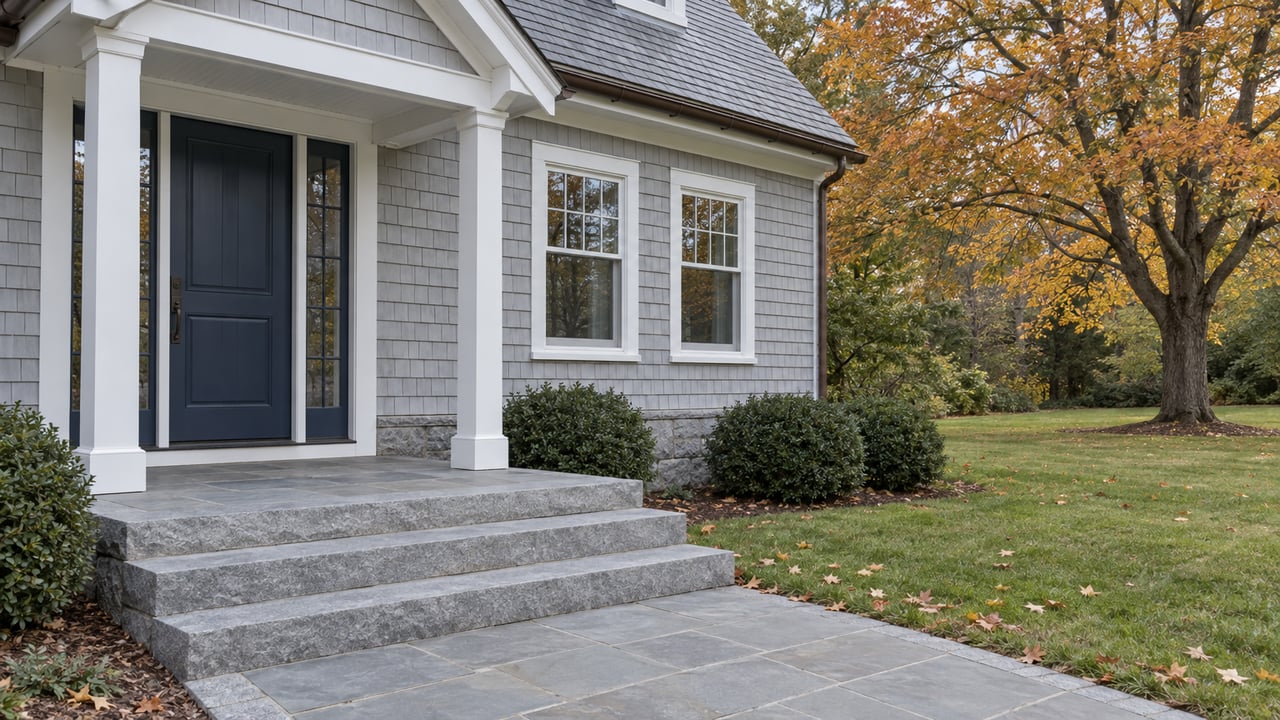
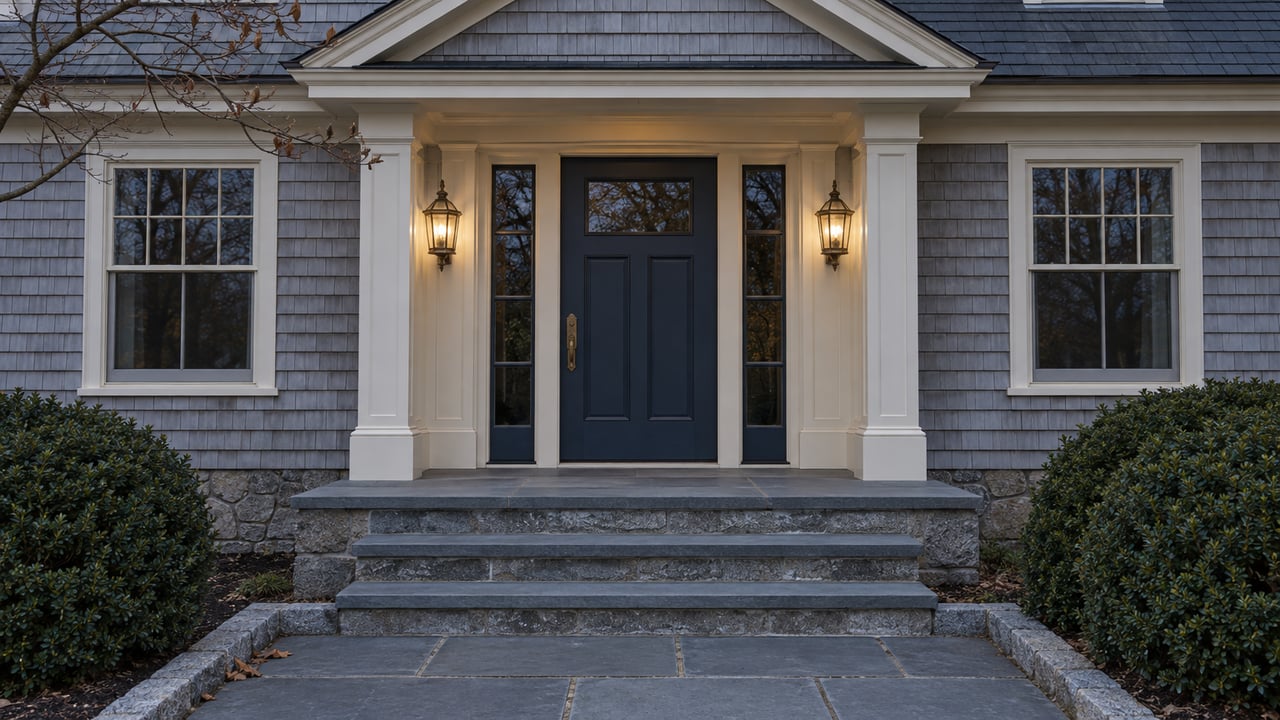
Start with the basics. Clean the walkway, wash the front door and hardware, trim plantings, and refresh mulch where needed.
These may sound like small details, but they shape how buyers feel before they ever step inside. NAR found that improving curb appeal was one of the most common seller recommendations, alongside decluttering and whole-home cleaning.
Show outdoor living
If you have a porch, deck, or patio, stage it like an extension of the home. A few well-placed chairs, a cleaned surface, and simple styling can help buyers imagine how they might use the space.
You do not need to over-design it. You just want the area to feel maintained, inviting, and connected to the home's broader appeal.
Be careful with historic exteriors
If your Colonial is located in one of Westport's locally designated historic districts or is considered a historic property, exterior changes may need extra review. Westport's Historic District Commission Certificate of Appropriateness page notes that visible exterior changes from a public street, place, or way may require approval.
That matters if your pre-listing plan includes repainting, replacing railings, or making other visible updates. It is smart to check early so your preparation timeline stays on track.
Follow a smart pre-listing sequence
If you want staging to support pricing, marketing, and timing, the order of your prep work matters. Based on NAR's staging guidance, a practical sequence looks like this:
- Declutter and depersonalize
- Deep clean the home
- Make needed repairs
- Complete curb-appeal work
- Stage the main rooms
- Photograph and film the property
This order helps every step build on the one before it. It also prevents wasted effort, like cleaning around furniture you later remove or scheduling photography before the home is truly ready.
Know where to invest first
Not every seller needs a full redesign. In many cases, the biggest return comes from a few core updates:
- Decluttering storage-heavy spaces
- Deep cleaning kitchens and baths
- Editing oversized furniture
- Brightening the entry and main living spaces
- Refreshing landscaping and front approach
- Preparing outdoor areas for photos and showings
The goal is not perfection. The goal is to help buyers see the value of your home quickly and clearly.
For many Westport sellers, this works best when one person coordinates the process from start to finish. That can include lining up cleaners, painters, landscapers, handypeople, stagers, and photographers so your listing goes live looking its best.
If you are getting ready to sell and want a clear, low-stress plan for presenting your Westport Colonial, Mary Ellen can help you prioritize the updates that matter, coordinate trusted vendors, and bring your home to market with the polished strategy it deserves.
FAQs
Is staging worth it for a Westport Colonial?
- Yes. The NAR 2025 Profile of Home Staging found that staging can help buyers visualize a home more easily, and many sellers' agents reported reduced time on market and stronger offers.
Which rooms matter most when staging a Westport Colonial?
- The living room, primary bedroom, dining room, and kitchen are the top priority rooms based on NAR staging data, and they are especially important in Colonials where layout and flow shape the buyer's impression.
Should I stage the exterior of my Westport home too?
- Yes. Curb appeal is one of the most common staging recommendations, and in Westport, outdoor spaces often support the home's overall lifestyle appeal.
Do I need to finish staging before listing photos are taken?
- Yes. NAR reports that photos are highly important to buyers, so staging should be completed before photography, video, and virtual tour work begins.
Do historic Westport Colonials need a different staging approach?
- Yes. Interior staging should respect the home's symmetry and character, and if you are planning visible exterior changes, you may need to review local historic district requirements first.