Thinking about trading city noise for quiet, wooded living without losing access to jobs, culture, and coastline? If Weston, Connecticut is on your shortlist, you are not alone. Relocating comes with a lot of moving parts, and you want clear guidance on homes, commute options, schools, taxes, and daily life. This guide gives you a practical overview so you can decide if Weston fits your goals and plan your move with confidence. Let’s dive in.
Who Weston is right for
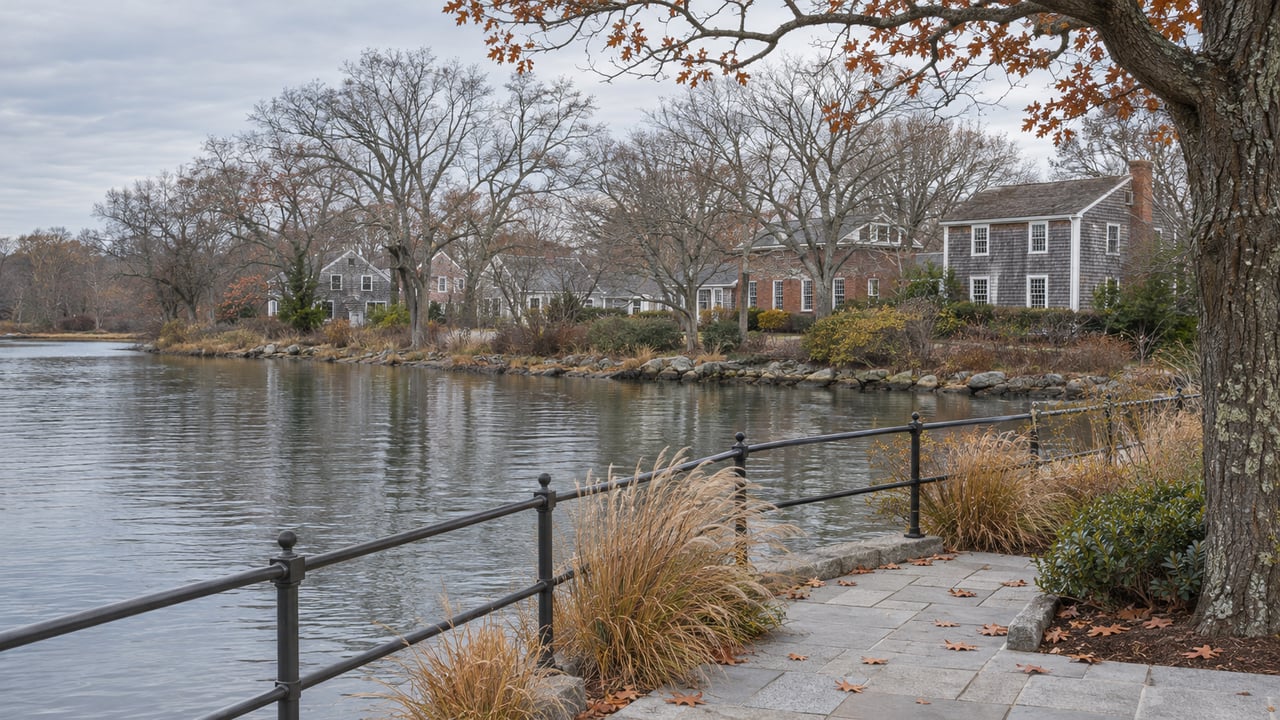
Weston attracts buyers who value space, privacy, and a slower daily rhythm. You will find a largely residential, small-town setting with nature at the center of everyday life.
Consider Weston if you:
- Prefer single-family homes on larger, wooded lots.
- Want a quiet, residential town and do not mind driving for errands and dining.
- Commute to regional employment hubs and use nearby Metro-North rail stations.
- Value access to parks, trails, and community programs.
Weston at a glance
Use this quick snapshot to frame your search and expectations.
- Location: Northern Fairfield County, close to Westport, Wilton, and Norwalk, with access to the coast and major employment centers in the region.
- Town feel: Residential and nature-forward with limited commercial areas. Daily conveniences are nearby in adjacent towns.
- Housing: Predominantly single-family homes, often on larger parcels. Many properties may use private well and septic systems. Always confirm utilities and system details during inspections.
- Schools: Served by a local public school district with multiple schools. Review official report cards, programs, and enrollment information to understand offerings and fit.
- Commute: Driving access to key regional roads, with Metro-North service available from nearby stations in Westport, Wilton, and Norwalk. Check current schedules and parking availability.
- Lifestyle: Town parks, playing fields, and a strong culture of outdoor recreation, community groups, and local events.
- Costs: Property taxes are based on the town’s mill rate and your assessed value. Verify current rates and exemptions with the assessor.
Housing market and neighborhoods
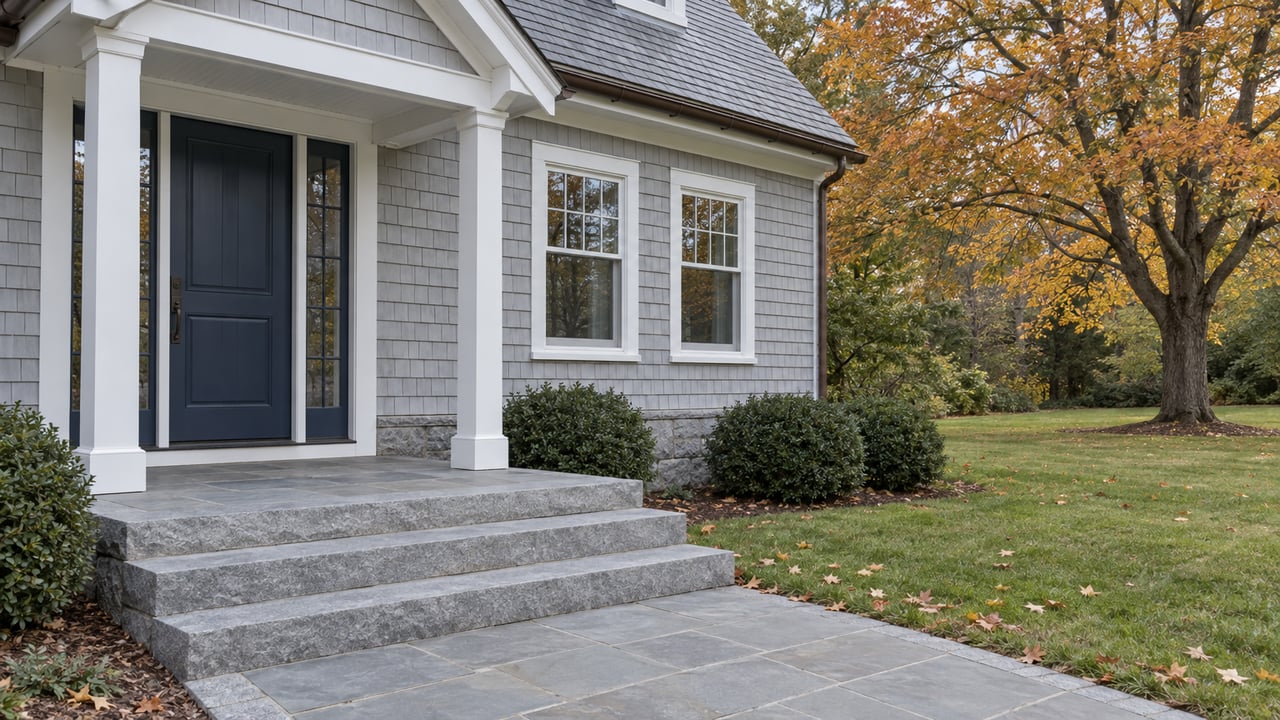
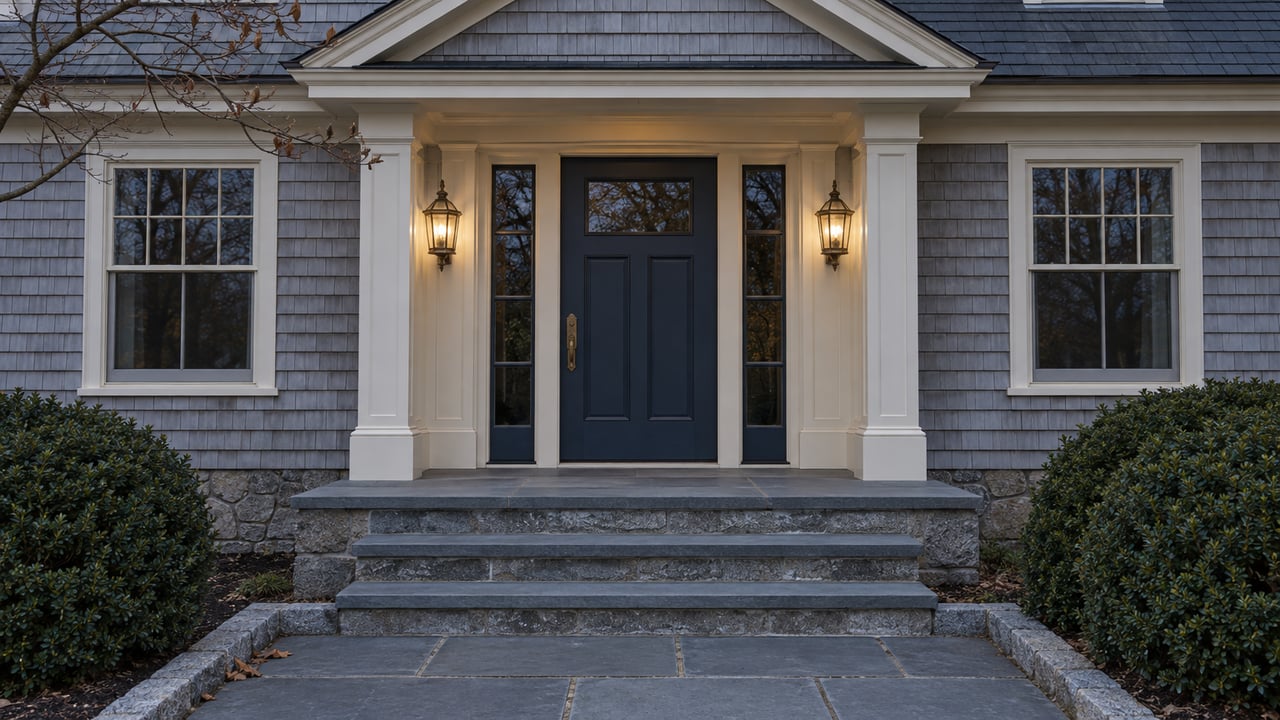
Weston’s housing stock spans classic New England Colonials, Capes, contemporaries, and custom builds. Larger lots and conservation-minded planning shape how neighborhoods live and feel. Privacy, natural light, and usable yard space tend to be everyday priorities for buyers.
What drives value in Weston
Several factors influence pricing and demand:
- Lot and setting: Acreage, topography, privacy buffers, and sun exposure can affect price and day-to-day enjoyment.
- Condition and updates: Kitchens, baths, roofs, windows, and mechanicals matter. Energy efficiency and well-maintained systems help buyers project long-term costs.
- Systems and permits: Septic capacity, well yield, and documented permits for additions or pools are important. Buyers often prefer clear maintenance records and recent inspections.
- Location within the region: Proximity to commuting roads and nearby rail stations may influence convenience.
Seasonality for buyers and sellers
Spring to early summer is traditionally active for new listings and showings, with another window in early fall. If you are selling, highlighting outdoor spaces and preparing systems documentation can support a smoother sale. If you are buying, preapproval and flexible showing times help you move quickly when the right home appears.
Schools and learning
Weston is served by a local public school district with elementary through high school options. Academic programs evolve over time, so review official state and district data, graduation requirements, and student support services to understand fit. Families often explore after-school programs, music and arts, athletics, and enrichment opportunities through the district and town.
If you are considering private, parochial, or magnet options, you will find choices in nearby communities. Contact schools directly for admissions, transportation, and program details. When possible, tour during the school day to get a feel for logistics and commute patterns.
Getting around and commuting
Most residents drive for daily errands and use a combination of local roads and regional parkways. Key routes connect you to Westport, Wilton, and Norwalk, as well as north–south corridors used by Fairfield County commuters.
- Rail access: Many commuters drive to Metro-North stations in Westport, Wilton, or Norwalk for service to New York City and regional stops. Verify current schedules, parking policies, and monthly pass options before you finalize a routine.
- Driving patterns: Peak travel times can vary by season and weather. Test your likely commute on a weekday morning and evening before you commit to a location.
- Winter readiness: In snowy months, road conditions and driveway grade influence daily life. Ask about local plowing practices and evaluate your vehicle and snow-removal plan ahead of time.
Daily life, parks, and amenities
Weston’s lifestyle leans outdoors. You will find town fields, playgrounds, and trail networks that make weekend hikes and youth sports an easy part of your routine. Community programming, library events, and seasonal gatherings help newcomers meet neighbors and get involved.
For shopping, dining, gyms, and services, many residents frequent nearby hubs in Westport, Wilton, and Norwalk. That mix gives you small-town calm at home and plenty of choice just a short drive away. If you enjoy farmers markets, arts programming, and coastal recreation, you will find options throughout lower Fairfield County.
Utilities, wells, septic, and home systems
Plan to understand your property’s utility setup during due diligence. In many rural-suburban parts of Fairfield County, homes may rely on private well water and septic systems. That is common in low-density towns and simply requires regular care.
- Water: If the home has a private well, schedule water quality and flow testing. Ask for service records and any filtration system details.
- Septic: A licensed inspection can assess tank condition, capacity, and leaching fields. Confirm system permits and past service history.
- Heating and fuel: Heating systems vary. Ask about fuel type, age of equipment, and recent service. Request utility history to estimate seasonal costs.
- Internet and cellular: Broadband coverage differs by road and neighborhood. Contact providers early to confirm speeds and installation timelines.
Being proactive here reduces surprises and supports stronger negotiations.
Money, property taxes, and ongoing costs
Your total monthly housing cost includes more than your mortgage. Build a complete budget that reflects how homes in Weston live.
- Property taxes: Calculated from your home’s assessed value and the town’s mill rate. Confirm the current mill rate, assessment cycle, and any exemptions with the assessor.
- Insurance: Discuss coverage with a local agent who understands regional risks and replacement costs.
- Utilities and services: Factor in heating fuel or electricity, internet, trash and recycling options, and routine well and septic maintenance.
- Yard and snow care: Larger lots may require landscaping and snow removal budgets. Get a few quotes and set a seasonal plan.
- Commute costs: Include parking, transit passes, tolls, and vehicle maintenance.
A local lender can help you translate these items into a clean monthly estimate. If you need introductions, ask for professionals who routinely serve Fairfield County buyers and sellers.
Permits, zoning, and renovations
Before planning a remodel or addition, speak with the town’s building and zoning offices. Rules may address setbacks, building height, accessory structures, pools, and wetlands considerations. Septic capacity and well location can also affect the size and placement of improvements.
- Start early: Permits can take time. Build your timeline around reviews, inspections, and contractor availability.
- Document everything: Keep copies of permits, approvals, and final inspections. Buyers value complete records during resale.
- Plan for resale: Choose improvements that align with local preferences and that make daily life easier, such as mudrooms, storage, and outdoor living spaces.
Newcomer action plan
Use this simple sequence to move from research to keys-in-hand.
- Clarify budget and financing
- Get preapproved with a lender familiar with Connecticut property taxes and common inspection items.
- Ask for a total monthly estimate that includes taxes, insurance, utilities, and commute costs.
- Test commute and logistics
- Drive to likely train stations during peak hours and confirm parking.
- Time your trips to grocery stores, activities, and healthcare providers.
- Tour homes with a systems mindset
- Evaluate lot, light, and outdoor use. Ask about well, septic, roof age, HVAC, and permits.
- Request utility history and recent maintenance records.
- Review schools and programs
- Explore district calendars, transportation, and extracurriculars. Contact schools for the latest information.
- Plan for maintenance
- Line up landscaping, snow removal, and seasonal service providers before you move.
- Confirm taxes and permits
- Verify the current mill rate, exemptions, and any rules that affect planned renovations.
Moving checklist for Weston buyers and sellers
- Financial prep: Preapproval, property tax estimates, insurance quotes, and a buffer for inspections and repairs.
- Inspections and disclosures: Septic inspection, well test, radon, chimney, and tank sweeps where applicable. Confirm permit history for additions and pools.
- Utilities and services: Electricity, internet, trash and recycling setup, and heating fuel delivery if needed.
- Permits and projects: Check requirements for fences, sheds, patios, generators, and tree work. Verify setbacks and any wetlands considerations.
- Community onboarding: Register to vote, update driver’s license and address, enroll children in school, and save non-emergency police and town contacts.
- Seasonal readiness: Snow plan, roof and gutter maintenance, driveway care, and yard cleanup for spring and fall.
How Mary Ellen helps you relocate with confidence
Whether you are buying or selling, you deserve a guided, low-stress process. Mary Ellen Williams brings more than a decade of local experience, bilingual service, and a vetted network of lenders, attorneys, inspectors, and contractors to support every step.
- For buyers: Curated tours that match your commute, lifestyle, and budget, plus coaching on wells, septic, and permits so you buy with clarity.
- For sellers: Concierge listing prep, professional staging, photography and video, and targeted digital marketing that attracts qualified buyers and maximizes your sale price.
- For relocations: Virtual previews, on-the-ground neighborhood insights, and tight coordination so you can make decisions from afar with confidence.
If Weston fits your wish list, let’s make your next move straightforward and successful. Connect with Mary Ellen to get local guidance tailored to you.
FAQs
Is Weston a good fit for families with children?
- Many families choose Weston for its residential setting, access to parks and programming, and local public schools; review official district resources and visit schools to assess fit.
How long is the commute from Weston to New York City?
- Most commuters drive to nearby Metro-North stations in Westport, Wilton, or Norwalk, then take the train; times vary by station and schedule, so confirm current options.
What should I know about wells and septic systems in Weston?
- In low-density areas, private well and septic are common, so budget for professional inspections, confirm permits, and plan routine maintenance.
Are there walkable shopping areas in Weston?
- The town is primarily residential, and most residents drive to nearby hubs in Westport, Wilton, or Norwalk for groceries, dining, and services.
When is the best time to list a home in Weston?
- Activity often rises in spring and early summer with another bump in early fall; your best timing depends on your property and goals, so plan strategically.
How are property taxes calculated in Weston?
- Property taxes are based on your assessed value and the town’s mill rate; confirm current rates and any exemptions with the assessor or your advisor.