Dreaming of a town where a beach morning, a park walk, and a backyard dinner can all fit into the same day? That mix is a big part of what makes Westport stand out. If you are considering a move, planning a sale, or simply trying to understand the local lifestyle, it helps to know how outdoor living really works here. Let’s dive in.
Why outdoor living matters in Westport
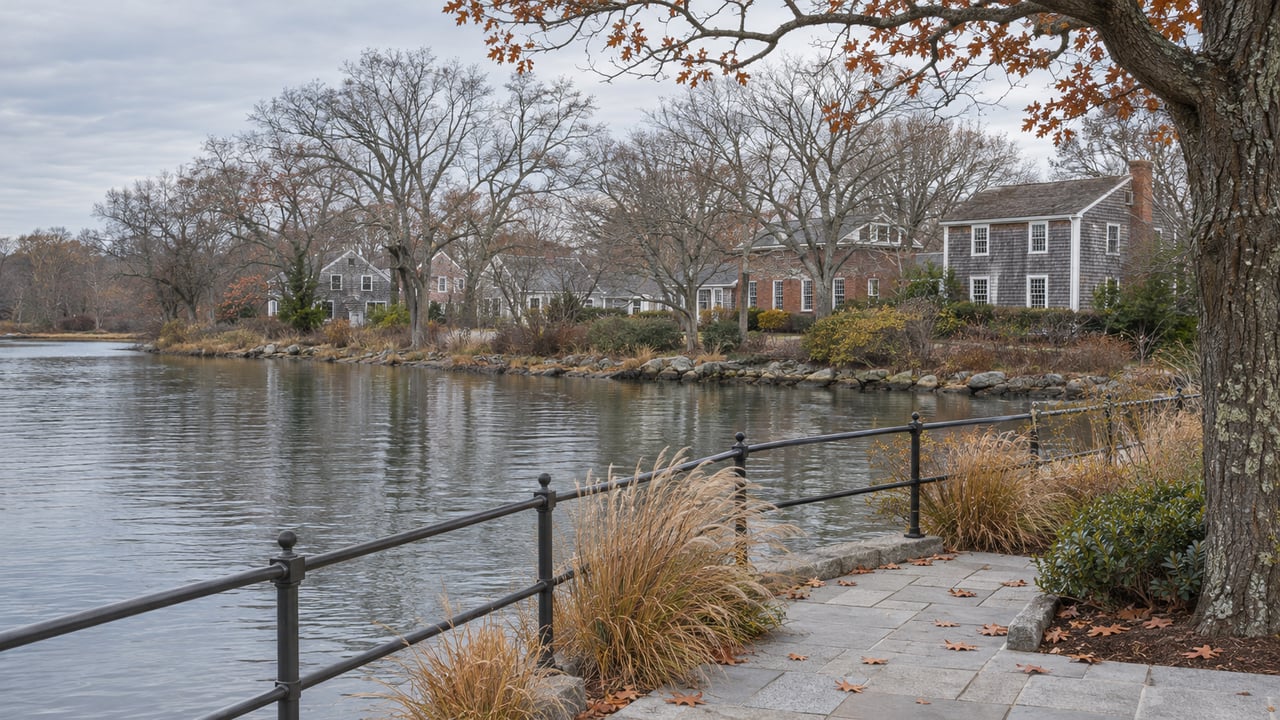
Westport’s outdoor lifestyle is shaped by Long Island Sound, the Saugatuck River, and a town park system built for everyday use. The town highlights everything from dog walks and riverside picnics to sunset views over the Sound, which gives outdoor living a practical, year-round feel.
For many buyers, that variety matters as much as square footage. Westport offers four public beaches, plus golf, tennis, swimming, boating, nature preserves, and a public farm. In other words, outdoor life here is not centered on one destination. It is part of your weekly routine.
Westport beaches at a glance
If you picture Westport as a beach town, you are not wrong. But each beach has a different personality, and that difference can shape how you spend your time.
Compo Beach amenities and activity
Compo Beach is Westport’s best-known waterfront destination. This 29-acre park includes a broad sand beach on Long Island Sound, a boardwalk, pavilion, concession stand, two sand volleyball courts, a large playscape, bathhouse and lockers, and an adjacent marina.
It is also the most full-service option for many households. Lifeguards are posted from Memorial Day weekend through Labor Day weekend, and the town notes ADA-related features such as Mobi Mats, wheelchair-accessible picnic pads, and beach wheelchairs. If you want a beach day with the widest set of amenities, Compo is usually the first place people think of.
Burying Hill Beach for quieter outings
Burying Hill Beach offers a smaller and more low-key setting. The 2.39-acre park has a sand and rock shoreline, restrooms and changing areas, picnic tables, grills, and a wildlife area next to the canal.
This beach often appeals to people who want a simpler outing. It is open from Memorial Weekend through Labor Day, and dogs are prohibited there from April 1 through September 30. If your ideal beach day includes a picnic and a quieter setting, Burying Hill may be a good fit.
Old Mill Beach for a local feel
Old Mill Beach feels more residential and understated. It is a 1.8-acre sandy beach with limited parking and no restroom or changing facilities.
The town also notes that Old Mill does not have lifeguards, which adds to its quieter character. It does not offer a daily parking fee option, so access is tied to a current resident parking emblem. For some buyers, that local, less crowded feel is part of the appeal.
Canal Beach and smaller shoreline access
Westport’s shoreline is not limited to its largest beaches. Canal Beach is a smaller open beach area with a small parking area and views over Long Island Sound and Cockenoe Island.
That matters because it shows how outdoor living in Westport can feel layered and flexible. You are not limited to planning a full beach day. Sometimes a short stop for water views is enough.
What to know about seasonal beach access
Beach access in Westport has a seasonal rhythm, and buyers should understand it early. The town requires beach parking emblems in season, while Compo and Burying Hill also allow visitor daily access at the gate.
That can affect your routine more than you might expect. If you are imagining spontaneous summer beach visits, it helps to know which locations are easiest for guests and which are more resident-focused. Families also often choose Compo and Burying Hill when they want lifeguards and a fuller set of amenities.
Parks and recreation beyond the beach
Westport’s outdoor appeal goes well beyond the shoreline. If you want active recreation, nature access, or casual green space built into daily life, the town gives you several distinct options.
Longshore Club Park for active living
Longshore Club Park is one of the clearest examples of Westport’s all-in-one recreation lifestyle. The town describes it as a place for golf, tennis, swimming, and boating.
Its related facilities include a short 18-hole golf course overlooking Long Island Sound, a pool complex with ADA-accessible locker rooms and outdoor seating, and tennis courts with lights and a concession area. For residents who want outdoor activity with structure and convenience, Longshore is a major part of the picture.
Sherwood Mill Pond Preserve for nature
Sherwood Mill Pond Preserve offers a quieter pace. The preserve includes a walking path, benches, educational signage, a small parking lot, and a designated launching area for canoes and kayaks.
The pond is described by the town as habitat for wetland plants and more than 70 bird species. If your version of outdoor living means walking, paddling, or birdwatching, this is an important part of Westport’s appeal.
Baron’s South and everyday green space
Baron’s South adds another layer to the town’s outdoor mix. This 22-acre public parcel is used for passive recreation and includes walking trails, gardens, and picnic tables.
The town says it is open from sunrise to sunset and does not allow dogs. Along with other smaller downtown parks, gardens, and riverwalks, it helps explain why outdoor time in Westport often feels built into ordinary days, not just weekends.
Wakeman Town Farm and community connection
Wakeman Town Farm gives Westport’s outdoor identity a different dimension. The town describes it as an organic demonstration homestead and educational center for sustainable living.
Programs focus on agriculture, land stewardship, homesteading, and animal husbandry. For buyers who want a town that feels both coastal and community-minded, that is a meaningful detail.
Outdoor living with dogs in Westport
If you have a dog, Westport’s parks matter as much as its beaches. The town’s parks page speaks directly to walks, dogs, and casual picnics, which shows how pet-friendly outdoor routines are often centered on parks and open space.
At the same time, the rules vary by location. Beaches have seasonal animal restrictions, so dog-friendly outdoor living in Westport is generally more park-oriented than beach-oriented. Knowing that can help you evaluate how well a home’s location fits your daily routine.
How backyards extend the Westport lifestyle
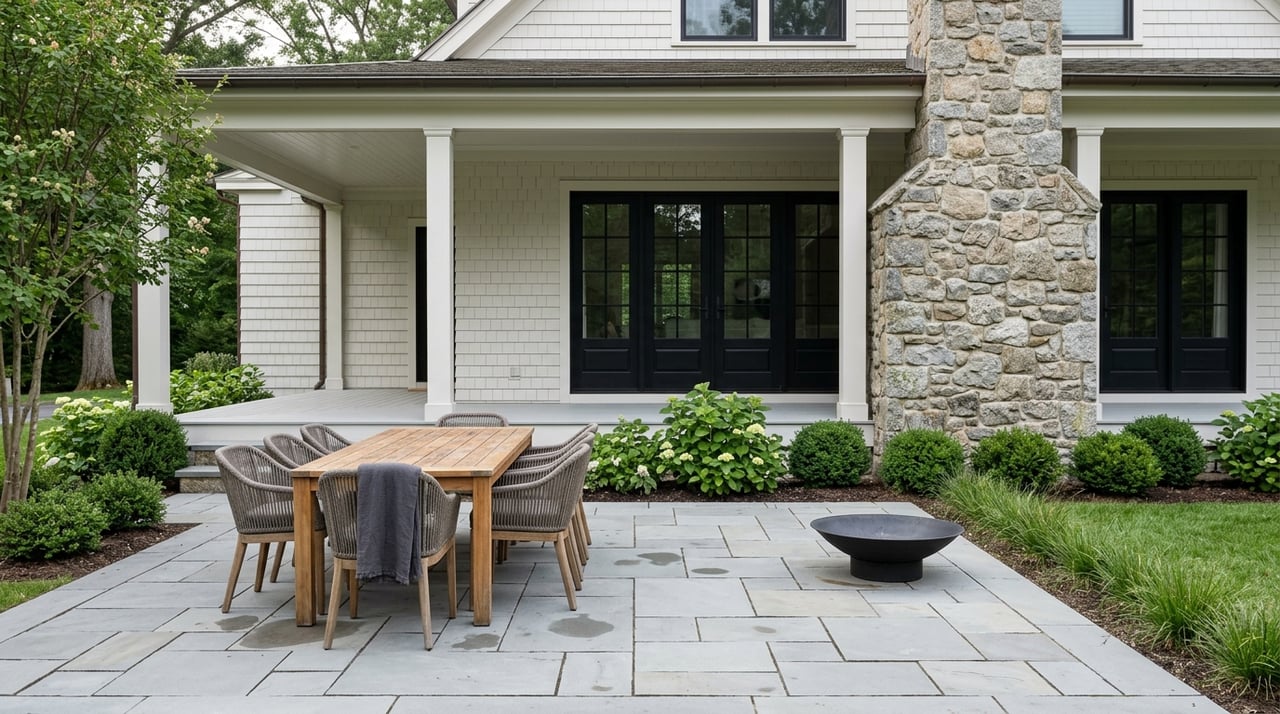
In Westport, a backyard often works as an extension of the town’s beach-and-park lifestyle. Buyers are often drawn to features that support outdoor dining, entertaining, play, and privacy.
The most relevant features include patios, decks, outdoor dining areas, pools, hot tubs, fenced yards, and accessory structures for storage or entertaining. These kinds of spaces can make a home feel more connected to the way people already want to live in town.
For sellers, this is also where presentation matters. A well-staged outdoor area can help buyers picture everything from a summer dinner party to a quiet evening at home, which is often exactly the emotional connection that helps a property stand out.
What to know about backyard projects
In Westport, major backyard upgrades are not just design choices. The town’s zoning guidance asks property owners to check whether a project is in a flood zone, wetland area, septic-served property, or historic or village overlay district.
That becomes especially important for projects like pools and hot tubs. The town’s instructions specifically note that pool and hot tub projects require an Aspetuck Health District permit.
Fence and pool-related improvements can also trigger local review. The town states that pool fences require building permits, and fence height can affect whether additional zoning review is needed. If you are buying with renovation plans in mind, or selling a home with improvement potential, these details are worth understanding upfront.
What this means for buyers and sellers
For buyers, Westport offers a lifestyle that can feel varied and flexible. You can have a home base near parks, shoreline access, or recreation hubs, then use your own backyard as part of that same rhythm.
For sellers, outdoor living is more than a nice bonus. In a town where beaches, parks, and private outdoor space are part of the local identity, the way a property presents its yard, patio, deck, or pool area can shape buyer interest from the start.
That is why local guidance matters. When you understand not just the house but also how people live around it, you make better decisions whether you are buying, preparing to list, or planning future improvements.
If you are thinking about buying or selling in Westport, working with a local advisor can help you connect the lifestyle details to the real estate decision in front of you. To talk through what outdoor living adds to a specific property, reach out to Mary Ellen.
FAQs
Which Westport beach is best for families who want more amenities?
- Compo Beach is the town’s most amenity-rich option, with a boardwalk, pavilion, concession stand, playscape, bathhouse and lockers, volleyball courts, marina access, and seasonal lifeguards.
Which Westport beach feels quieter and more low-key?
- Burying Hill Beach is smaller and picnic-oriented, while Old Mill Beach has a more residential feel with limited parking and no lifeguards.
Can visitors access Westport beaches during the summer season?
- Yes. Seasonal parking rules apply, and Compo Beach and Burying Hill Beach allow visitor daily access at the gate.
What parks support active outdoor living in Westport?
- Longshore Club Park is a key option for golf, tennis, swimming, and boating, while Sherwood Mill Pond Preserve, Baron’s South, and Wakeman Town Farm support walking, nature access, and community-focused outdoor time.
What backyard features are most useful for Westport outdoor living?
- Patios, decks, outdoor dining areas, pools, hot tubs, fenced yards, and flexible outdoor entertaining spaces fit well with the town’s beach-and-park lifestyle.
What should homeowners know before adding a pool or fence in Westport?
- Westport has local permit and zoning considerations for backyard projects. Pool and hot tub projects require an Aspetuck Health District permit, pool fences require building permits, and fence height can affect whether added zoning review is needed.