House hacking can be a smart way to put Stamford’s high-demand housing market to work for you. Maybe you want a little help with the mortgage or space for multigenerational living that can later become a rental. Either way, you have options. In Stamford, most people explore two paths: building an accessory dwelling unit or buying a duplex and living in one unit. This guide breaks down the local rules, costs, and loan programs so you can move forward with confidence. Let’s dive in.
What house hacking means here
House hacking means you live in one part of the property and rent the other. In Stamford that usually looks like:
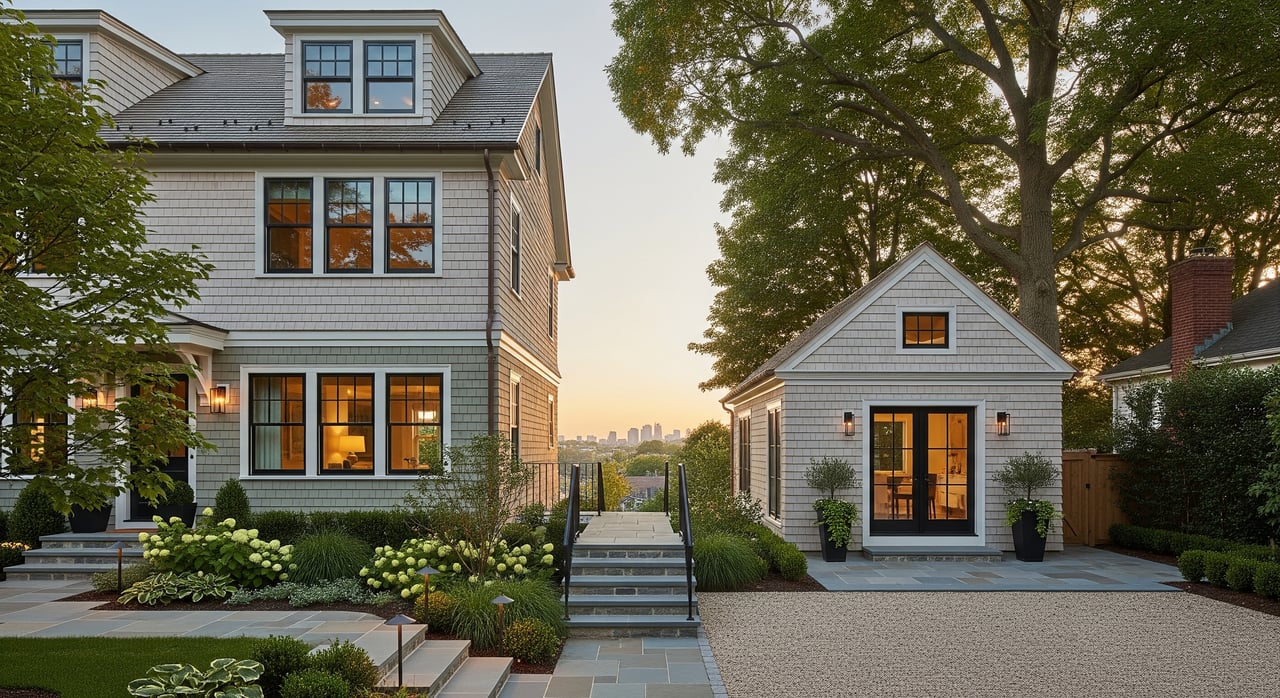
- An ADU on a one‑family lot, such as a basement or garage conversion or a small attached or detached unit.
- A two‑family property where you occupy one unit and lease the other.
Your best fit depends on your lot’s zoning, your budget, and how soon you need rental income.
ADUs in Stamford: key rules
Stamford adopted its own ADU standards rather than using the state default. Local coverage highlights several common requirements: owner occupancy, a size cap around 800 square feet, minimum lot sizes in some zones, occupancy limits for the ADU, at least one off‑street parking space, and no short‑term rentals. Review the current adopted text before you apply. You can read Stamford’s zoning regulations and confirm the latest ADU section with the Land Use Bureau.
- Read a summary of the local adoption and key provisions in recent reporting: Stamford officials approve in‑law apartments with local rules
- Check the authoritative regulations: Stamford Zoning Regulations
Tip: If your plan relies on short‑term rental income, ADUs are not the right vehicle in Stamford. The locally adopted rules restrict ADUs from short‑term rental use.
Duplexes: where they fit
Two‑family homes are allowed in specific zoning districts. Stamford’s 2035 comprehensive plan raised the profile of “missing middle” housing in targeted areas, with implementation focused near transit and stronger corridors. That said, zoning is neighborhood specific. Before you shop, verify whether a given lot allows a duplex as of right or requires a special permit.
- Background on the comprehensive plan discussion: Stamford comprehensive plan approved
- Confirm what is allowed on a parcel: Stamford Zoning Regulations
ADU vs duplex: costs and timing
Building an ADU can be cost‑effective if you already own the home and your lot meets the rules. Conversions usually cost less than new detached units. National and Connecticut sources show wide ranges based on site work, utilities, and finishes. Detached ADUs in CT are often several hundred dollars per square foot, while basement or garage conversions are typically lower. Get local contractor bids for a real budget. See typical ranges here: ADU cost guide.
Timeline and steps also differ:
- ADU path: design and zoning review, building permit, construction, then lease‑up. Expect several months for permitting and buildout depending on scope.
- Duplex path: normal purchase timeline, plus multi‑unit appraisal that considers market rent for the non‑owner unit. Lease‑up can begin after closing and any required updates.
Taxes and insurance matter too. Adding an ADU or buying a two‑family usually increases assessed value and your tax bill. Ask the Stamford Assessor’s Office for a rough estimate based on plans or listing details: Stamford Property Assessment. Also check with your insurer about proper coverage for rental use, which is often different from a standard homeowners policy.
Loans that work in Stamford
You have several financing paths that can pair well with house hacking. The right fit depends on your income, down payment, and whether you are buying an existing duplex or building an ADU.
- FHA for 2–4 units. FHA allows you to buy a duplex, triplex, or fourplex if you will live in one unit. Minimum down payment for eligible borrowers is often 3.5 percent, and lenders may count rental income from the other units when you qualify. Learn more about multi‑unit FHA use here: FHA multifamily purchase basics.
- Conventional for 2–4 units. Fannie Mae and Freddie Mac offer owner‑occupied multi‑unit loans. Down payments and cash reserve requirements are usually higher than FHA. Some borrowers may qualify under programs like HomeReady. Review eligibility: Fannie Mae HomeReady overview.
- VA for eligible buyers. VA loans can finance 2–4 unit properties when the veteran occupies one unit. Ask lenders about occupancy and entitlement for multi‑unit.
- Renovation and construction options. For ADUs, ask about construction‑to‑permanent loans, renovation loans, cash‑out refinances, or HELOCs. Lender policies vary on using projected rent from a new ADU.
Loan limits matter in Fairfield County. For 2025, conforming limits in the Bridgeport–Stamford–Norwalk area are higher than the national baseline. One‑unit properties are around $851,000, with higher limits for 2–4 units. Check the current table: FHFA 2025 conforming loan limits.
How lenders count rent
Many lenders will include a portion of rental income from the non‑owner units when they calculate what you can afford.
- FHA commonly uses a percentage of the appraiser’s market rent for the other units on 2–4 unit purchases. Policies vary by lender and appraisal findings. See an overview: FHA multifamily purchase basics.
- Conventional underwriting through Desktop Underwriter often uses 75 percent of gross market rent when calculating qualifying income for owner‑occupied multi‑unit properties. Details here: Fannie Mae treatment of rental income.
Ask each lender exactly how they will treat rental income, reserve requirements, and any overlays.
Your Stamford house‑hack plan
Use this checklist to move from idea to action:
- Zoning and site fit
- Confirm your parcel’s zoning and whether an ADU or duplex is allowed as of right or by special permit. Start with the Stamford Zoning Regulations.
- Lender pre‑qualification
- Speak with at least two lenders. Ask about FHA vs conventional terms for 2–4 units, how they count rent, and today’s Fairfield County loan limits from the FHFA table.
- Property or project plan
- For a duplex, focus your search on areas that permit two‑family homes. For an ADU, sketch the unit type and location and note parking.
- Permits and design
- If building an ADU, hire design pros familiar with Stamford’s review process, then apply for zoning and building permits.
- Budget realistically
- Price both hard and soft costs. Include design, permits, utility work, and a contingency. For context on ranges, see this ADU cost guide.
- Insurance and taxes
- Request updated insurance quotes and ask the Stamford Assessor how your plans could affect assessment.
- Leasing and compliance
- Prepare leases, set up tenant screening, and follow Stamford’s rules on occupancy, parking, and any registration or certificate requirements.
Ready to explore properties or run numbers on your specific lot? Let’s make a plan that fits your goals and timeline.
Start smart with local help. If you want a clear, step‑by‑step path to a house hack in Stamford, connect with Mary Ellen for bilingual, concierge‑level guidance and vetted lender and contractor introductions.
FAQs
Can I use an FHA loan to buy a duplex in Stamford?
- Yes. If you live in one unit, FHA allows 2–4 unit purchases and may count rental income from the other units when you qualify. Down payment and credit rules apply.
Are ADUs in Stamford allowed as short‑term rentals?
- No. Stamford’s adopted ADU rules restrict short‑term rental use. Plan for long‑term leases if you build an ADU.
How much does it cost to build an ADU in Connecticut?
- Costs vary widely by site and finish level. Detached units in CT often run several hundred dollars per square foot, while conversions cost less. Get local bids.
Will adding an ADU increase my property taxes?
- Likely yes. New living area typically increases assessed value. Ask the Stamford Assessor’s Office for a rough estimate once you have plans.
How do conventional lenders treat rental income on duplexes?
- Many use 75 percent of market rent from the non‑owner unit when qualifying you. Exact treatment depends on underwriting and your lender’s policies.