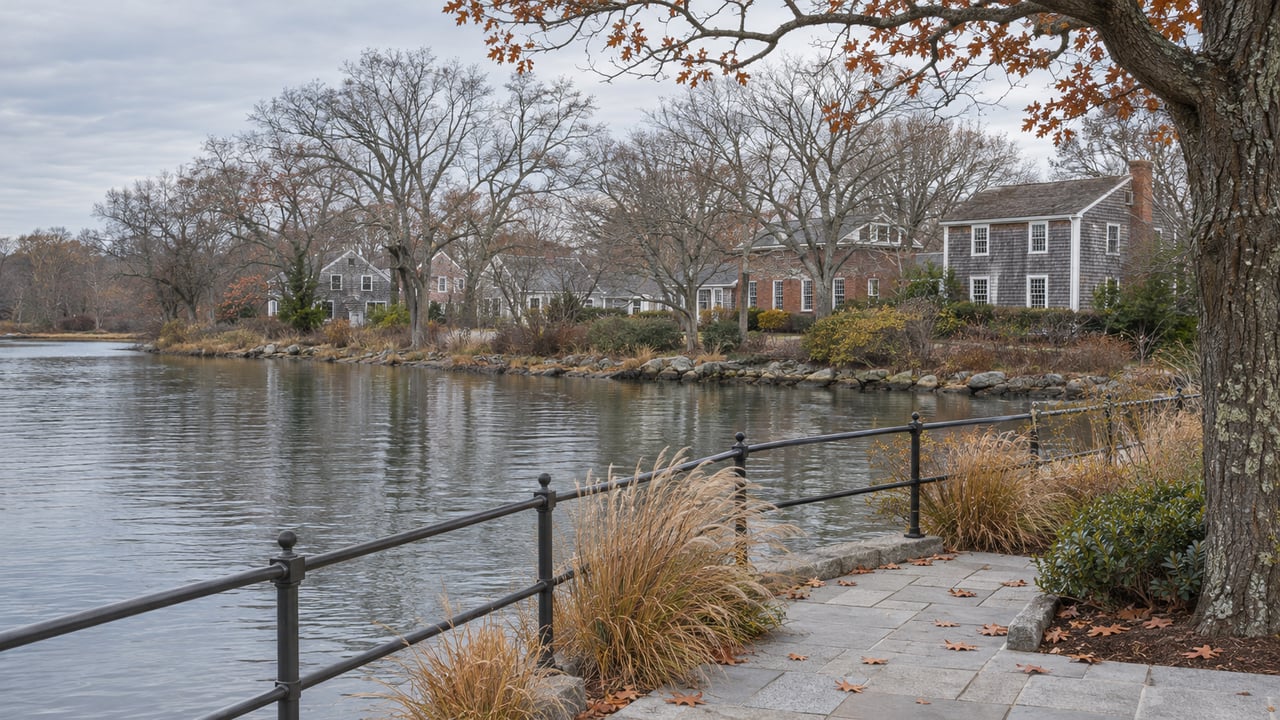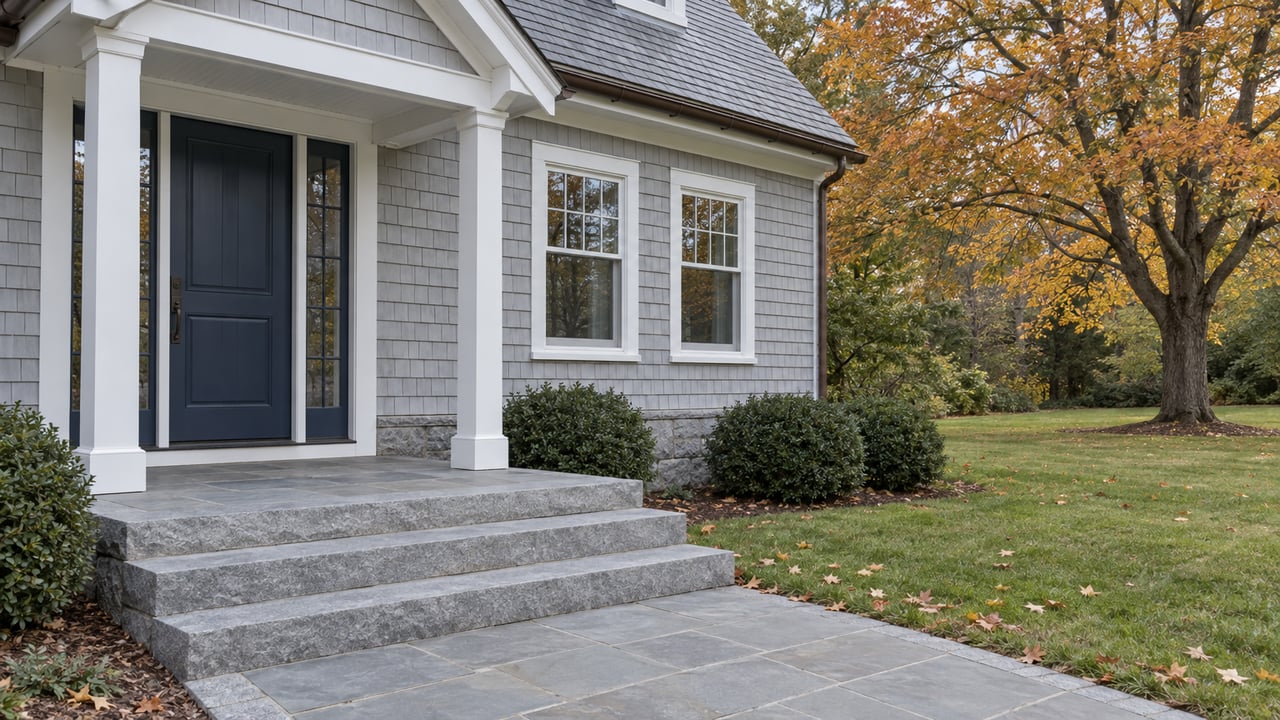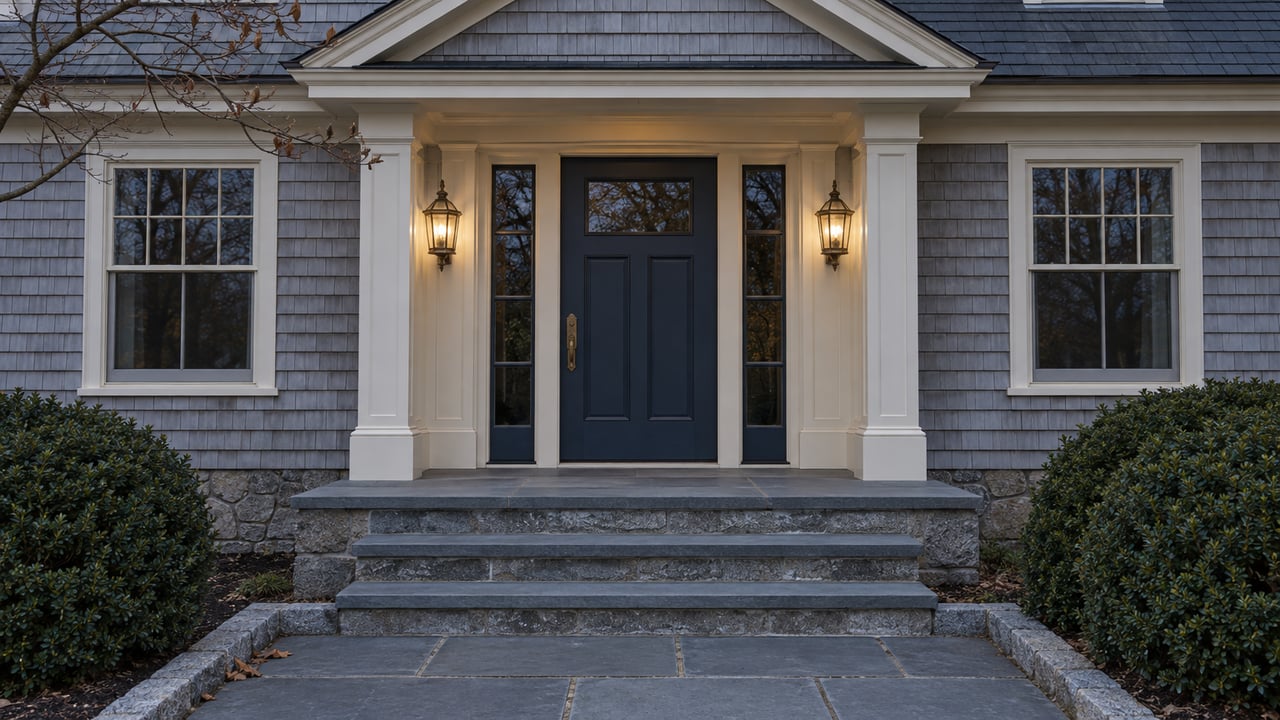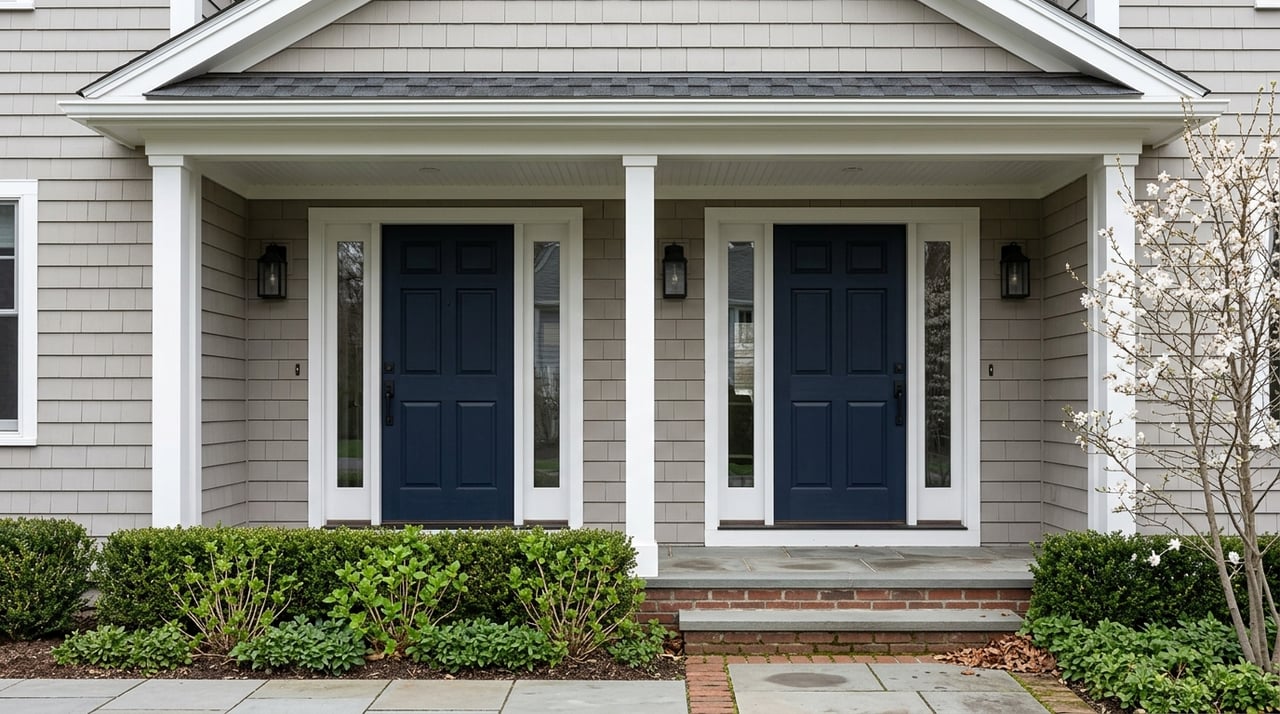
Choosing between a condo, townhome, or house in Greenwich can feel simple at first, until you look at the prices, ownership rules, and day-to-day upkeep. If you are trying to match your budget with your lifestyle, you are not alone. The good news is that the right choice usually becomes clearer when you compare maintenance, privacy, carrying costs, and control side by side. Let’s dive in.
Start With Greenwich Price Reality
Greenwich is a high-price, low-inventory market, and attached homes and detached homes do not move the same way. In May 2026, Greenwich REALTORS® reported a median sale price of $3,150,000 for single-family homes and $1,050,000 for condo and co-op sales. That same month, there were 114 active single-family listings and 32 active condo and co-op listings.
Speed matters too. Average days on market were 69 for single-family homes and 27 for condo and co-op homes in that May 2026 report. Earlier in Q1 2026, medians were higher at $3,831,000 for single-family homes and $1,240,000 for condo and co-op homes, which is a good reminder that Greenwich monthly numbers can shift quickly when there are fewer sales.
For many buyers, that means your first decision is often about how much home style you can comfortably afford in Greenwich. In broad terms, condos tend to sit at the lower end of the market, townhomes often land in the middle, and detached houses usually require the biggest budget.
Understand What Each Home Type Really Means
Condo Ownership in Greenwich
A condo usually gives you ownership of the interior of your unit, while the association handles common areas and shared property. In Connecticut, buyers are encouraged to review the association’s budget, reserves, dues, pet rules, occupancy rights, age restrictions, and governing documents before buying. That matters because a condo may offer easier living, but it also comes with shared rules and shared financial management.
In practical terms, a condo often works well if you want less hands-on maintenance. You may spend less time worrying about exterior work and more time enjoying a simpler routine. The tradeoff is that your ownership experience is closely tied to how well the association is run.
Townhome Ownership in Greenwich
Townhomes can be a little trickier because the label does not always tell you the legal structure. In Greenwich, a townhouse may be set up as a condominium, a planned community, or another common-interest ownership form. Under Connecticut law, a planned community is a common interest community that is not a condominium or cooperative.
That is why you should not assume all townhomes work the same way. Before you buy, confirm who maintains the roof, siding, landscaping, and shared spaces. You also want to know whether the home is fee simple, condominium ownership, or something in between.
House Ownership in Greenwich
A detached house usually gives you the most control over the property. You are generally responsible for the house and the land it sits on, which means you make more decisions about maintenance, improvements, and use of the exterior.
That freedom comes with responsibility. Connecticut consumer guidance notes that homeowners should plan for unexpected repairs, and in Greenwich that can mean a larger maintenance budget over time. If you want maximum autonomy, a house is often the clearest path, but it is also the most hands-on choice.
Compare Lifestyle and Privacy
Why Some Buyers Prefer Condos
Condos are often the easiest option if you want convenience and a lighter maintenance load. Connecticut guidance notes that condo living can include less maintenance responsibility, on-site recreational facilities, and shared amenities. For buyers who value lock-and-leave simplicity, that can be a strong advantage.
At the same time, condos typically involve the most shared living. You may have shared walls, floors, or ceilings, and your daily experience can depend a lot on building design and association rules. If privacy and outdoor space matter most to you, a condo may feel more limiting.
Why Townhomes Appeal to Middle-Ground Buyers
Townhomes often offer a balance between convenience and space. A Greenwich proof-of-concept study found that townhomes can appeal to buyers who want less maintenance than a single-family house, a lock-and-leave lifestyle, and community-style living. Larger developments may also support amenities at a lower cost than a one-off house.
This is why townhomes often attract buyers who want more room than a condo without taking on the full upkeep of a detached property. You may get a more house-like feel, but your experience will still depend on the ownership documents and what the HOA covers.
Why Houses Offer Maximum Control
Detached houses generally provide the most privacy and autonomy. You are less likely to share walls or common spaces, and you typically have more control over the exterior, lot, and future changes.
For many buyers, that added privacy is the main draw. The tradeoff is that you are also responsible for landscaping, exterior systems, repairs, and ongoing property care. In other words, you gain freedom, but you also take on the full workload.
Compare Greenwich Costs Beyond Price
Purchase price is only part of the story in Greenwich. Carrying costs can look very different depending on whether you buy a condo, townhome, or house. Property taxes alone can create a meaningful gap.
Greenwich’s FY 2026-27 general fund mill rate was approved at 10.125 mills, and the town assesses property at 70% of market value. Using the May 2026 median prices, a $1,050,000 condo or co-op implies about $7,442 per year in general-fund property tax, while a $3,150,000 single-family home implies about $22,326 per year before any special district charges or exemptions.
A condo or townhome may also include monthly association dues, which can cover some shared maintenance and amenities. A detached house may not have those dues, but you should budget directly for exterior upkeep, repairs, and landscape care. The better question is not just “What is cheaper?” but “Which cost structure fits your life best?”
What Greenwich Listings Suggest Right Now
Current Greenwich attached-home pricing covers a wide range. Recent condo inventory has included examples around $525,000, $780,000, $895,000, $920,000, $1,275,000, $1,850,000, and even $6,495,000. That wide spread shows that “condo” in Greenwich can mean very different things depending on size, location, and amenities.
House listings also span a broad range. Recent examples include homes around $990,000, $1,579,000, $2,150,000, $3,500,000, $3,595,000, and $6,250,000, with higher luxury inventory also in the market. Townhome-style listings have recently appeared in the middle, with examples around $1,100,000, $1,625,000, and $2,149,000.
The takeaway is simple. A townhome often acts as the bridge between condo pricing and house pricing in Greenwich, but the exact number depends on square footage, location, HOA structure, and how the property is legally organized.
How To Decide What Fits You Best
Choose a Condo If You Want Simplicity
A condo is usually the best fit if you want the lowest maintenance load and the easiest lock-and-leave ownership. It can also be appealing if you like the idea of shared amenities and do not need much private outdoor space.
Before you commit, review the association carefully. Pay close attention to dues, reserves, budget health, rules, and occupancy terms. In Greenwich, those details can matter just as much as the floor plan.
Choose a Townhome If You Want Balance
A townhome is usually the best fit if you want a more house-like feel than a condo, but still want less upkeep than a detached home. It can be a strong option if you want extra space, a more private layout, or a community setting with some shared services.
The key is to verify the ownership structure. In Greenwich, the legal setup can affect maintenance duties, monthly costs, and your long-term flexibility more than the marketing label does.
Choose a House If You Want Control
A single-family house is usually the best fit if you value privacy, yard space, and the greatest control over your property. It can also make sense if you are comfortable managing repairs, exterior care, and higher carrying costs.
If you are leaning this way, build a realistic maintenance budget from the start. In Greenwich, the purchase price is only one part of owning a detached home well.
Focus On Documents, Not Just Labels
In Greenwich, the smartest way to compare a condo, townhome, and house is to look past the listing headline. A townhome may function like a condo, and a condo may feel more private than you expect depending on the building and layout. What really matters is who maintains what, how the finances are structured, and what kind of daily life you want.
If you want help sorting through Greenwich options and comparing ownership details with your goals, Mary Ellen can guide you through the process with clear, local insight.
FAQs
What is the main price difference between condos and houses in Greenwich?
- In May 2026, Greenwich REALTORS® reported a median sale price of $1,050,000 for condo and co-op sales and $3,150,000 for single-family home sales.
Why does townhome ownership in Greenwich need extra review?
- In Greenwich, a townhome may be structured as a condominium, a planned community, or another common-interest ownership form, so you should confirm maintenance duties, fees, and ownership terms before buying.
What should condo buyers review before buying in Connecticut?
- Connecticut guidance says buyers should review the association’s budget, reserves, dues, governing documents, pet rules, occupancy rights, and any age restrictions.
How do property taxes compare for a Greenwich condo and house?
- Using Greenwich’s FY 2026-27 general fund mill rate and 70% assessment ratio, a $1,050,000 condo or co-op implies about $7,442 per year in general-fund property tax, while a $3,150,000 single-family home implies about $22,326 before any special district charges or exemptions.
Which Greenwich home type is best for low maintenance?
- A condo is usually the best fit if you want the lowest maintenance load, while a townhome often offers a middle ground and a detached house usually requires the most upkeep.