Trying to decide between a condo or a single-family house in Norwalk? You’re not alone. The right choice comes down to how you want to live, what you want to spend each month, and how much time you want to spend on maintenance. This guide breaks down the real tradeoffs in Norwalk so you can move forward with clarity and confidence. Let’s dive in.
Norwalk options at a glance
Norwalk offers a little of everything. You’ll find many condos in walkable areas like South Norwalk (SoNo) and parts of East Norwalk, including loft-style conversions and newer mid-rise buildings near the waterfront and train stations. In suburban neighborhoods such as Cranbury and Silvermine, single-family homes range from modest ranches to larger colonials with more land and historic character. In Rowayton and along Norwalk Harbor, you’ll see both condos and single-family properties that prioritize waterfront access and coastal living.
If you value low-maintenance living and walkability to restaurants, marinas, or transit, a condo near SoNo or East Norwalk may fit well. If you want a yard, more privacy, and control over renovations, a single-family home in areas like Cranbury, Silvermine, or Rowayton could be a better match.
Cost picture: price, fees, and upkeep
Single-family homes typically sell at a premium to condos in the same community because of land and privacy. In Norwalk, that pattern holds in waterfront and desirable suburban neighborhoods. Keep in mind that exact prices and trends change. For current numbers, review recent listings and local MLS data.
Both options share core costs like mortgage, taxes, and insurance. The main differences show up in how you pay for maintenance and amenities.
Condo costs to expect
- Mortgage, property tax, and an HO-6 insurance policy for your unit’s interior and contents.
- Monthly HOA fees for exterior maintenance, common areas, and sometimes heat, water, or trash.
- Possible special assessments if the association needs to fund major repairs.
What can drive HOA fees higher: elevators, large roofs or facades, master-metered utilities, amenities like pools or gyms, insurance deductibles, and reserve funding levels.
Single-family costs to plan for
- Mortgage, property tax, homeowner’s insurance, and all utilities.
- Routine maintenance like landscaping, snow removal, and gutter cleaning.
- Capital repairs over time, such as roof, siding, driveway, or system replacements.
Single-family ownership gives you control over timelines and finishes, but costs are variable and can come in larger chunks.
Financing notes for condos
Most condos are financeable, but lenders review association health and rules. Some buildings with high investor concentration or other risk factors may be considered non-warrantable, which can limit loan options. FHA and VA loans may require the condo to be on the approved list. Expect extra lender due diligence on HOA budgets, reserves, and insurance.
Lifestyle tradeoffs that matter in Norwalk
Space and privacy
- Single-family homes provide more privacy, storage, and outdoor space for pets, gardening, or hobbies.
- Condos trade private yards for balconies or shared outdoor spaces and closer proximity to neighbors.
Amenities and maintenance
- Condos often include convenient services like landscaping, snow removal, and amenities. You pay for this through HOA fees.
- Single-family homes put you in charge of projects and upgrades, from landscaping to adding a pool or shed.
Commute and walkability
Norwalk is served by the Metro-North New Haven Line with stations in South Norwalk, Rowayton, and East Norwalk. Typical one-way times from South Norwalk to Grand Central are often 50 to 75 minutes depending on the train. I-95 and the Merritt Parkway also offer driving access. If a short walk to a train or restaurants is a top priority, SoNo and nearby areas tend to favor condo and multi-family options.
Waterfront living: benefits and risks
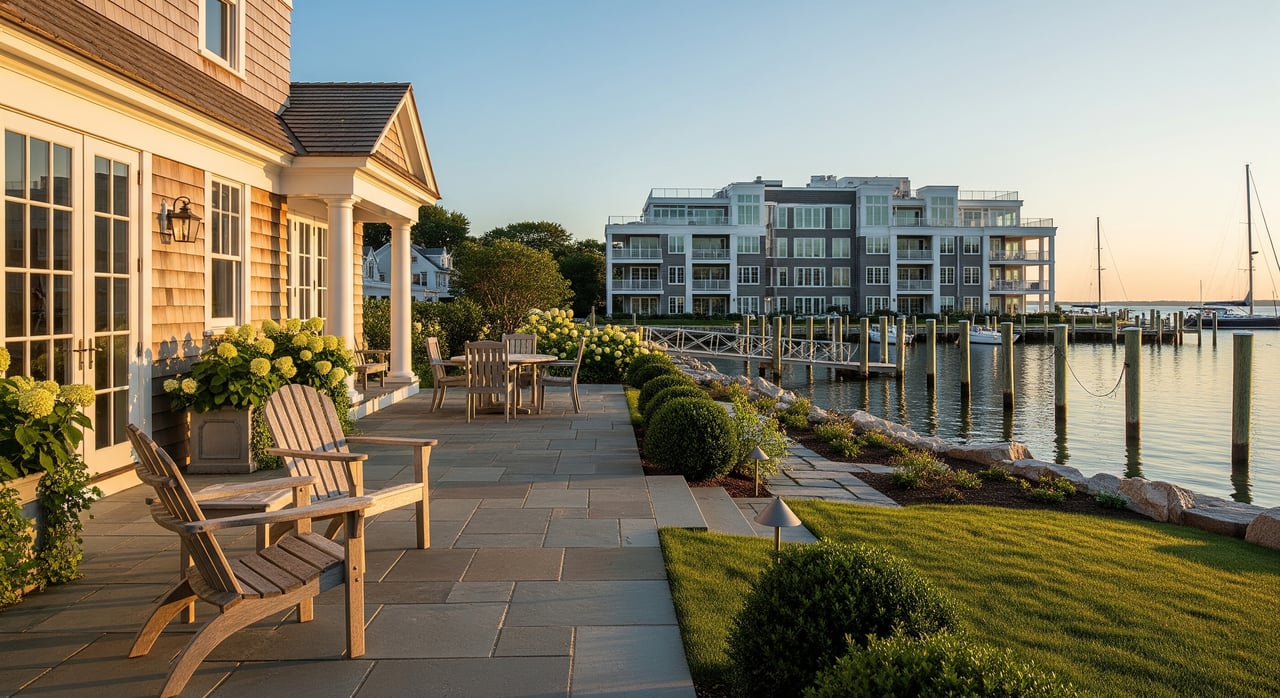
Waterfront homes and condos offer views, boating access, and walkability to marinas and dining in SoNo and Rowayton. They can carry higher lifestyle appeal and potential resale value. Tradeoffs include flood and storm surge exposure, higher insurance needs, and coastal regulations. If you are considering a waterfront property, plan to review FEMA flood maps and local coastal guidelines, and factor in seasonal maintenance.
Risk and due diligence essentials
Condo due diligence checklist
- Review HOA rules and documents: bylaws, declaration, master insurance summary, rental and pet policies.
- Request budgets for the last 3 years, current reserve study, and meeting minutes.
- Ask for litigation disclosures and special assessment history.
- Confirm warrantability with your lender and verify investor concentration and delinquency rates.
Single-family due diligence checklist
- Order a general home inspection and, as needed, septic inspection, well testing, radon test, lead paint review for older homes, and chimney evaluation.
- For coastal properties, assess shoreline conditions, bulkheads or docks, and any signs of erosion.
- Check zoning, setbacks, and any coastal or shoreline rules if you plan additions or a dock.
Insurance and flood considerations
- Use FEMA Flood Insurance Rate Maps to check whether the property is in Zone AE or VE. These zones may require flood insurance and special attention to elevation and drainage.
- For condos, understand the master policy type: bare walls, single entity, or all-in. Know exactly what the HOA covers versus what your HO-6 policy should cover.
A smart search plan with Mary Ellen
Pre-search priorities
- Commute: drive or rail time, and how often you will use it.
- Outdoor needs: yard, garage, or extra storage for gear and hobbies.
- Amenities and convenience: desire for a gym, pool, elevator, or concierge-style services.
- Budget clarity: mortgage range and comfort with HOA fees.
- Flood tolerance: comfort with waterfront benefits and related insurance costs.
MLS filters that help
- Condos: sort by HOA fees, pet and rental rules, number of units, year built, elevator access, parking type, and included utilities.
- Single-family: filter by lot size, flood zone flags, garage, sewer vs septic, and age of major systems.
What to check during showings
- Condos: request HOA financials early. Note common-area upkeep, elevator condition, noise and odors, parking assignments, guest parking, storage availability, and short-term rental policies.
- Single-family: review roof, siding, drainage, chimney, and any septic or well equipment. Ask about recent capital projects and any easements.
Smart scheduling
- Visit condos midday and evening to gauge elevator wait times, commuter flow, and noise.
- Tour single-family homes during or after rain to assess grading and basement moisture. For waterfront homes, visit at high tide and after storms if possible.
Key questions to ask
- Condos: “Can you provide the last 2 years of budgets, the current reserve study, and the most recent annual meeting minutes?” “Any special assessments in the last 5 years?” “Any ongoing or pending lawsuits?”
- Single-family: “Is the property in a FEMA flood zone?” “Any recent insurance claims?” “Any underground easements or known drainage issues?” “When were the roof, HVAC, and water heater last replaced?”
Which is right for you?
Choose a condo if you want lower hands-on maintenance, walkability to SoNo or East Norwalk amenities and transit, and the convenience of shared services and amenities. Choose a single-family home if you want a yard, more privacy, space for pets or hobbies, and greater control over updates and exterior choices. For waterfront lovers, weigh the lifestyle benefits against flood risk, insurance, and coastal regulations. If you are still unsure, compare a 5 to 10 year cost projection that includes HOA fees and insurance for condos versus maintenance and larger capital items for single-family homes.
When you are ready to tour options in SoNo, East Norwalk, Cranbury, Silvermine, Rowayton, or along the harbor, reach out. You will get a clear plan, curated showings, and a calm, educational process from start to finish. Connect with Mary Ellen to explore the right fit for your lifestyle and budget, or to Request a Free Home Valuation if you are also weighing a sale.
FAQs
How do condo vs house costs compare in Norwalk?
- Condos often have lower purchase prices but include HOA fees and potential assessments. Single-family homes have variable maintenance and capital costs. A 5 to 10 year side-by-side projection is the best way to compare.
Where in Norwalk should I look for walkable condos?
- South Norwalk and parts of East Norwalk near the stations offer many condo and loft options close to dining, marinas, and transit.
Which Norwalk areas are best for single-family homes with character?
- Cranbury and Silvermine offer a range of single-family homes, including older and historic styles on more suburban lots.
What should I review before buying a Norwalk condo?
- Study HOA bylaws, budgets, reserve studies, meeting minutes, master insurance, rental and pet rules, litigation disclosures, and recent assessment history. Also verify warrantability with your lender.
What extra steps matter for waterfront properties?
- Check FEMA flood zones, insurance requirements, elevation and drainage, and any coastal regulations. For single-family homes, also review bulkhead or dock condition and signs of erosion.